


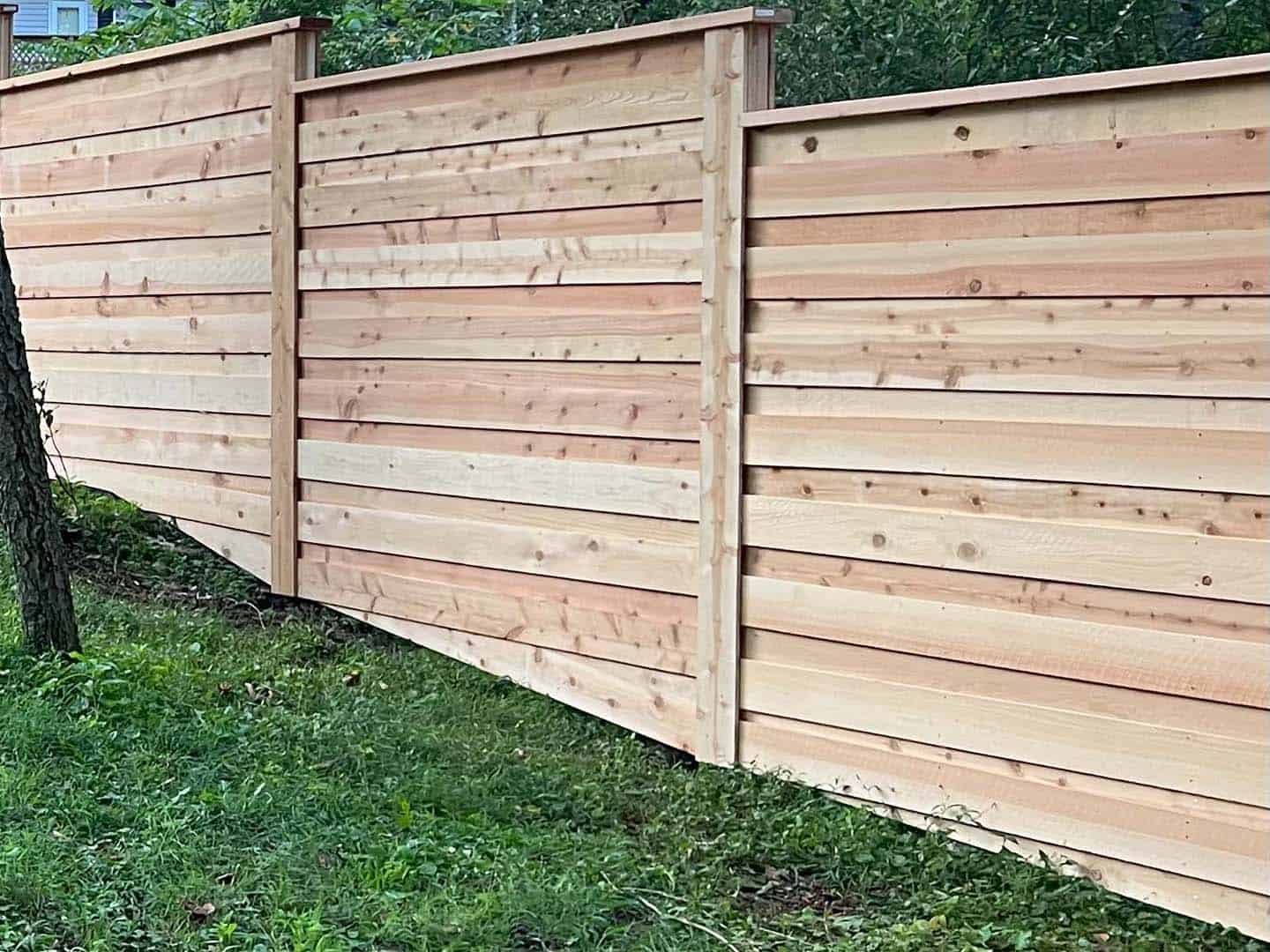
Pennsylvania fence laws limit residential fences to six feet in height without a special permit, although specific regulations vary by municipality and property location. Front yard fences typically face stricter height restrictions than backyard fences, and local townships may impose additional requirements regarding materials, setbacks, and design.
Property owners must also comply with homeowners’ association rules, obtain necessary permits before installation, and respect property boundary lines to avoid legal disputes with neighbors.
Understanding Pennsylvania fence regulations ensures your project stays compliant and avoids costly violations. Annabella Fence serves Northern Allegheny County with expert fence installation that meets all local requirements. Let’s explore what you need to know about fence laws in Pennsylvania.
Pennsylvania Fence Regulations and Permits
Fence laws in Pennsylvania operate at both the state and local levels. While the state outlines fundamental property rights and addresses neighbor disputes, most height limits, materials, and permit rules are established through township ordinances.
State Overview
Pennsylvania recognizes the “consentable lines” doctrine, allowing neighbors to agree on fence placement even if it doesn’t follow survey lines. Written agreements protect both sides and prevent disputes.
Local Permit Rules
Most municipalities require a building permit for new fences. A Northern Allegheny County fence company, such as Annabella Fence, can manage applications to ensure compliance with regulations. Typical requirements include:
- Application & Fees: Submit plans showing fence height, materials, and placement; costs range from $25 to $100.
- Site Plan: Show the fence relative to property lines and easements.
- Setbacks: Maintain required distance from property lines and streets.
- Inspections: Some townships require pre- or post-installation inspections.
Fence Height Limits
Height allowances vary by location:
- Backyard: Six feet max without a permit (some allow up to eight with approval).
- Front Yard: Three to four feet to preserve sightlines and curb appeal.
- Side Yard: Four to six feet, depending on corner visibility.
- Commercial Properties: Often eight to ten feet for added security.
Wood, and vinyl privacy fences are standard options for backyards, while chain link, decorative aluminum, or wrought iron work best in front yards.
Material and Design Restrictions
Some areas limit specific fence types:
- Barbed wire or electric fencing is banned in most residential zones.
- Chain link may be restricted in HOA or historic areas.
- Solid privacy fences in front yards often need approval.
Always confirm your township’s regulations before choosing materials.
Property Line and Boundary Guidelines
Before installing any Northern Allegheny County residential fence, order a current property survey. It helps avoid:
- Encroachment: Fences built over property lines may require removal.
- Easement Conflicts: Avoid areas with utility or municipal access.
- Future Sale Issues: Improperly placed fences can cause delays in closings.
If fencing along a shared boundary, discuss costs and maintenance in writing with neighbors. Agreements should outline material, height, and repair responsibilities.
Setback Requirements
Many townships require fences to sit slightly inside your property line, typically zero to three feet. Setbacks allow maintenance access, preserve sightlines, and avoid disputes or safety issues at corners.
Common Fence Law Violations
Avoiding these errors saves time and money:
- Skipping Permits: This leads to stop-work orders, fines, and removal.
- Exceeding Height Limits: Common with backyard privacy fences.
- Ignoring HOA Rules: Can lead to fines or forced removal.
- Building on Property Lines: Without consent, it can spark disputes.
- Blocking Visibility: Especially on corner lots with traffic views.
Hiring a professional installer helps ensure compliance throughout the entire process.
Stay Compliant with Professional Installation
What is the fence law in Pennsylvania? Residential fences generally cannot exceed six feet in height without a permit, with front yards facing stricter limits of three to four feet. Local townships enforce specific regulations regarding materials, setbacks, and design that vary by location.
If you’re ready to install a Northern Allegheny County residential fence that meets all legal requirements, Annabella Fence is here to help! As your trusted Northern Allegheny County fence company, we handle permits, ensure code compliance, and deliver quality installations throughout Cranberry Township and surrounding areas. We offer a range of fencing options that meet Pennsylvania regulations while enhancing your property’s appearance.
Contact us online or by phone at (724) 201-7837 to discuss your fencing project and schedule your free consultation today!
